Student Designer Awards 2026 Winners
First Place: Peter Blevins, Northumbria University Newcastle
Second Place: Day Johnson, Liverpool John Moores University
Third Place: Patrick Levy, Liverpool John Moores University
The Association for Project Safety (APS) has announced the winners of its National Student Designer Award 2026, recognising outstanding student projects that demonstrate excellence in the application of Construction Design and Management (CDM) principles.
The annual award celebrates the next generation of designers who successfully embed health and safety, buildability, maintainability and long-term usability into their designs from the earliest stages of project development. This year's competition attracted an exceptionally strong field of entries, with judges praising the high standard of submissions and the innovative approaches taken to managing risk through design.
APS also recognised the contribution of this year's judging panel, comprising Helena Knight, Chris Bracewell, Callum Bunce and Sam Allwinkle, whose expertise helped identify the projects that best demonstrated the role of the Principal Designer in creating safer and more sustainable built environments.
First Place: Peter Blevins, Northumbria University Newcastle
Peter's project, A Pier with Purpose: The Skegness Pier Extension, reimagines the future of the famous seaside landmark through a bold proposal extending some 650 metres into the North Sea. The scheme combines a saltwater therapy spa, maritime rescue station, public lido and marina, all supported by an innovative structural solution designed specifically for one of the UK's most challenging coastal environments.
From the outset, Peter treated the site itself as the primary source of risk. His design carefully addressed marine conditions, seabed geology, environmental protection, construction logistics and long-term operational safety. The judges were particularly impressed by the extensive use of onshore prefabrication and assembly, minimising work over water and significantly reducing risks to construction teams.
The project demonstrated outstanding consideration of buildability through innovative construction planning, while also providing robust solutions for maintenance, emergency response and future operation. Peter's proposal showed how risk could be systematically eliminated or reduced through intelligent design choices, from durability measures that reduce maintenance interventions to carefully planned access strategies that protect both workers and end users.
The judges described the submission as an innovative, highly developed engineering design that reflects an exceptional understanding of CDM and exemplifies the role of the Principal Designer in shaping safer and more effective projects.
Second Place: Day Johnson, Liverpool John Moores University
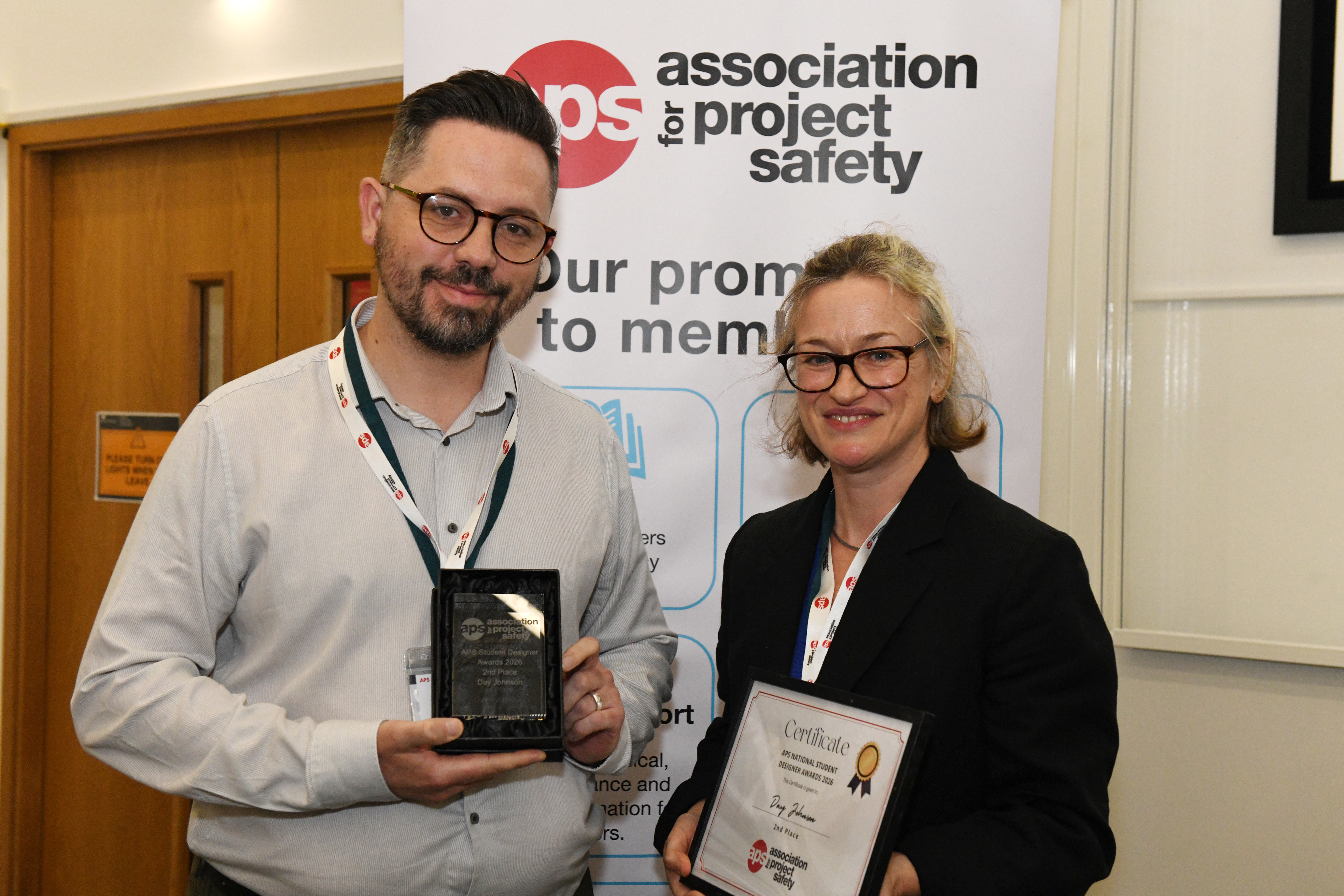
Day's project, Corradini Commons, forms part of a wider regeneration strategy for the former Corradini industrial waterfront in Naples. Positioned as the principal civic gateway into a new community district, the proposal brings together a food hall, community kitchen, assembly spaces and flexible learning environments within an adaptable civic building designed to evolve alongside the needs of future generations.
What particularly impressed the judges was Day's response to the challenges of a contaminated industrial site and the innovative strategies employed to restore it. Through environmental remediation, material reuse and community stewardship, the project demonstrates how sustainable regeneration can be delivered while placing safety and social value at the centre of the design process.
The judges highlighted Day's strong understanding of CDM principles, demonstrated through careful consideration of construction sequencing, off-site manufacture, maintenance access, adaptability and eventual deconstruction. Features such as reusable structural systems, accessible maintenance strategies and flexible internal layouts showed a mature appreciation for the entire lifecycle of a building.
The project was praised as a highly considered and socially conscious design, reflecting an excellent understanding of how good design can manage risk while creating lasting value for communities.
Third Place: Patrick Levy, Liverpool John Moores University
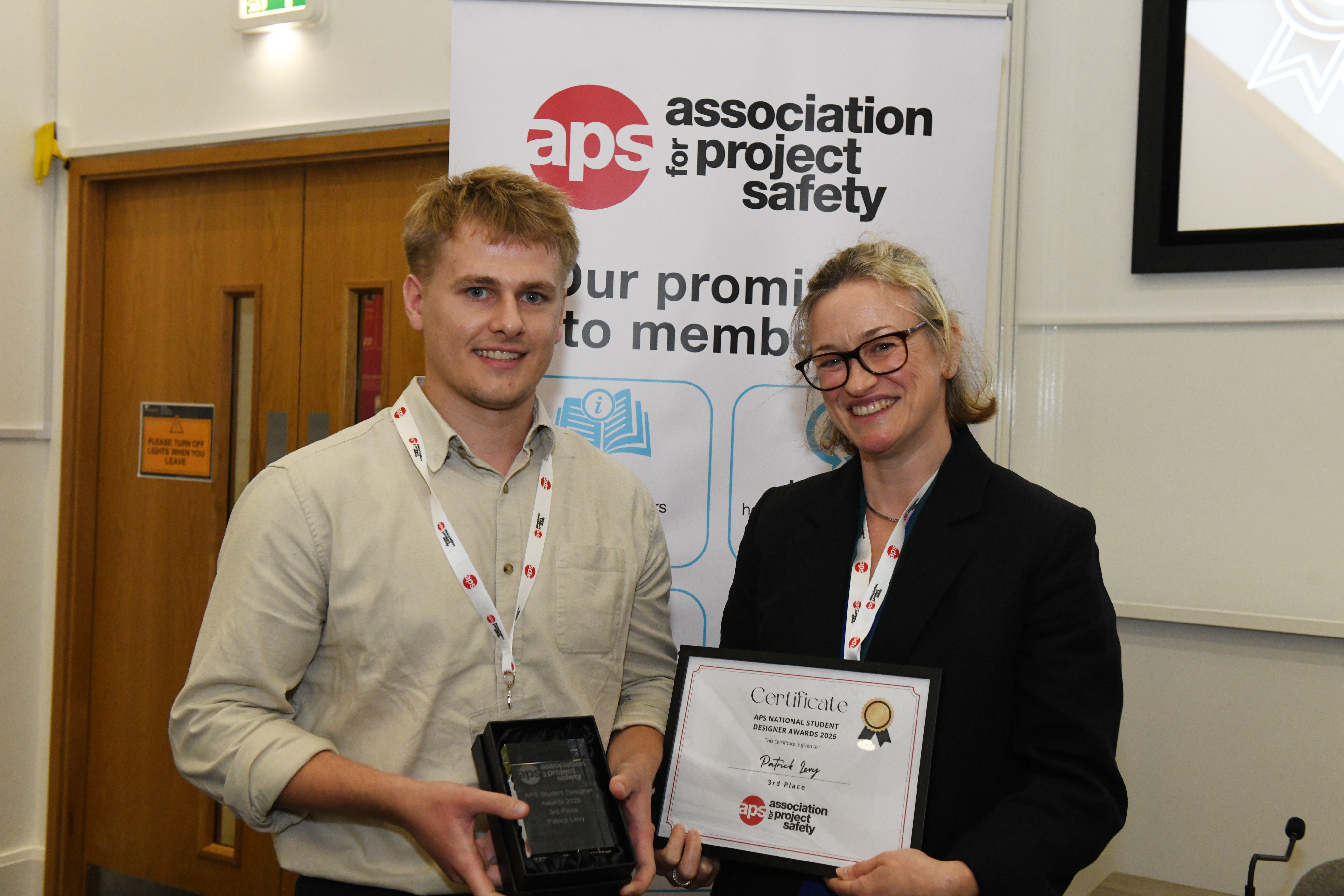
Patrick's thesis project, Below the Waterline, forms part of the regeneration of the former Corradini industrial waterfront in Naples. His proposal transforms a neglected post-industrial site into a marine research and observation centre dedicated to coastal habitat protection, ecological restoration and public engagement. The scheme combines research facilities, laboratories, educational spaces and public exhibition areas within three interconnected buildings that reconnect people with the waterfront environment.
The judges were particularly impressed by Patrick's thoughtful use of prefabricated glulam structures and cross-laminated timber systems, which reduced construction risks through off-site manufacture and carefully planned assembly. They noted his strong consideration of construction sequencing, his efforts to minimise temporary works, and his clear focus on designing out hazards wherever possible.
Patrick also demonstrated a strong appreciation of whole-life safety, incorporating maintenance access into the building fabric, exposing structural elements for easier inspection, and designing the project for future adaptation and deconstruction. The judges described it as a strong project that embraces the core principles of designing out risk.
Thank you to all our entrants and judges for being part of this year’s awards. We’d also like to extend our congratulations to the tutors, mentors and universities who have supported and guided these talented students throughout their studies.